07.01.2026
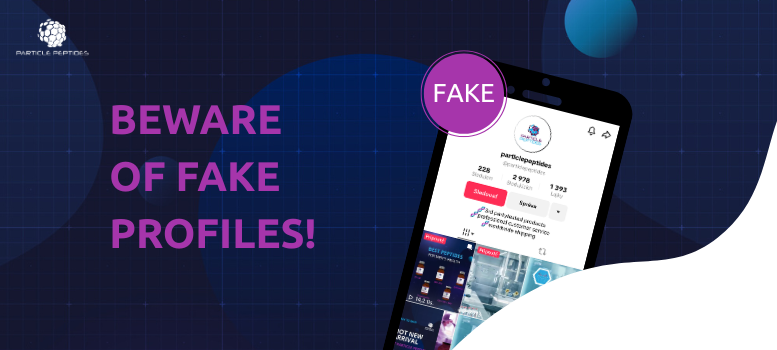
WARNING: Protect yourself from scams – shop safely at particlepeptides.com
Protect yourself and your research from fake peptide sellers In recent weeks, we have identified serious cases of brand identity misuse involving the unauthorized use of the Particle Peptides name, logo, and visual identity on social media, as well as through a fraudulent website.These impersonators aim to mislead customers and sell unverified, potentially harmful products…
04.01.2026
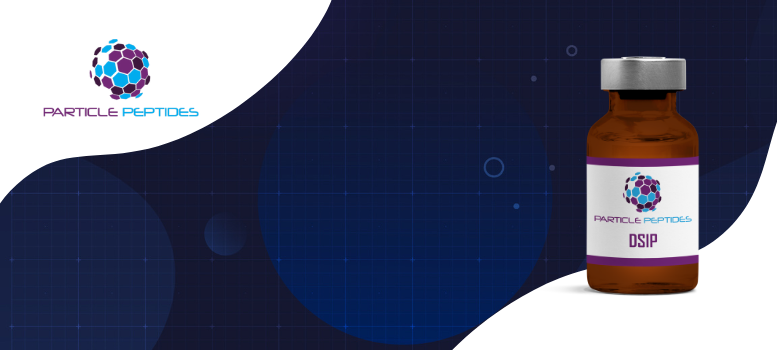
DSIP: Studies on its effects in sleep regulation and relief from chronic stress
DSIP (Delta Sleep-Inducing Peptide) is emerging at the forefront of modern neuroscience thanks to its unique influence on the regulation of sleep cycles. This naturally occurring neuropeptide supports comprehensive body regeneration, significantly improving overall vitality and the ability to cope with psychological stress. Interest in DSIP has grown rapidly alongside discoveries confirming its effects on melatonin,…
04.01.2026
Particle Peptides Sets the Benchmark for Research Peptide Quality
Even minor deviations in quality or the presence of contaminants can compromise the reproducibility and reliability of experiments involving research peptides. In a field where outcomes depend on accuracy and transparency, it is therefore critical that suppliers adhere to the same rigorous standards applied in pharmaceutical manufacturing. Research peptides are increasingly employed across biotechnology, pharmaceutical…
02.01.2026
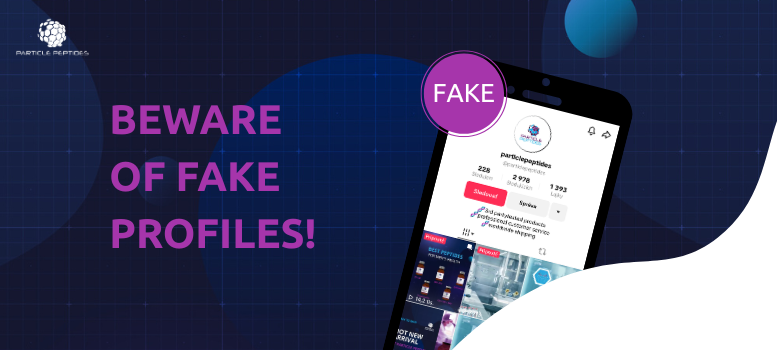
WARNING: Protect yourself from scams – shop safely at particlepeptides.com
Protect yourself and your research from fake peptide sellers In recent weeks, we have identified serious cases of brand identity misuse involving the unauthorized use of the Particle Peptides name, logo, and visual identity on social media, as well as through a fraudulent website.These impersonators aim to mislead customers and sell unverified, potentially harmful products…